
A Beginner’s Guide to Stretching at Home for Better Flexibility
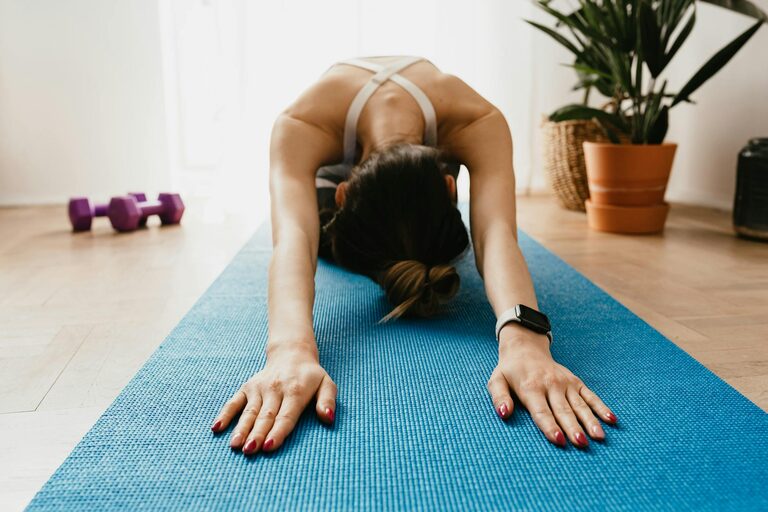
Stretching is one of the easiest and most effective ways to improve your overall health and wellbeing. Whether you want to boost flexibility, reduce muscle tension, or simply feel more relaxed, establishing a stretching routine at home can make a significant difference. This beginner’s guide will walk you through everything you need to know to get started safely and effectively.
Why Should You Stretch?
Stretching offers a range of benefits that impact both your body and mind:
– Improves Flexibility: Regular stretching helps increase your range of motion, making daily activities easier.
– Reduces Muscle Tension: Stretching can alleviate tightness and stiffness, often caused by sitting or repetitive movements.
– Enhances Posture: Stretching helps balance the muscles around your joints, supporting better posture.
– Promotes Relaxation: Stretching encourages blood flow and can help calm your nervous system, reducing stress.
– Prevents Injuries: Preparing your muscles with gentle stretches lowers the risk of strains and sprains.
What You Need to Get Started
Good news: you don’t need fancy equipment or a gym membership. Here’s what will help:
– Comfortable Clothing: Wear loose-fitting clothes that allow movement.
– A Mat or Soft Surface: Use a yoga mat or carpet for cushioning.
– Water: Stay hydrated, especially if you’re stretching after exercise.
– A Quiet Space: Find a place where you feel relaxed and free from distractions.
Important Tips Before You Begin
– Warm Up First: Stretching cold muscles can cause injury. Walk for 5 minutes or gently move your joints to warm up.
– Stretch Slowly: Move into each stretch gradually and avoid bouncing.
– Listen to Your Body: Stretch to the point of mild tension, not pain.
– Breathe Deeply: Don’t hold your breath; steady breathing helps your muscles relax.
– Hold for 15-30 Seconds: This is usually enough time to gain benefits without overstretching.
Basic Stretching Routine for Beginners
Here’s a simple series of stretches to target major muscle groups. Perform each stretch on both sides of your body when applicable.
1. Neck Stretch
– Sit or stand tall.
– Slowly tilt your head toward your right shoulder until you feel a gentle stretch on the left side of your neck.
– Hold for 20 seconds and switch sides.
2. Shoulder Stretch
– Bring your right arm across your chest.
– Use your left hand to gently press the right arm closer to your chest.
– Hold for 20-30 seconds and repeat on the other side.
3. Triceps Stretch
– Raise your right arm overhead and bend the elbow, reaching your hand down your back.
– Use your left hand to gently press your right elbow.
– Hold and switch sides.
4. Chest Opener
– Clasp your hands behind your back.
– Straighten your arms and lift your chest slightly to open up the front body.
– Hold for 20 seconds.
5. Seated Forward Bend (Hamstrings)
– Sit on the floor with legs extended.
– Hinge at your hips and reach toward your toes, keeping your back straight.
– Hold for 20-30 seconds and breathe deeply.
6. Quadriceps Stretch
– Stand and hold onto a chair or wall for balance.
– Bend your right knee and grab your ankle with your right hand.
– Pull your heel gently toward your buttocks.
– Hold and repeat on the other leg.
7. Calf Stretch
– Stand facing a wall.
– Place your hands on the wall at shoulder level.
– Step your right leg back, keeping it straight and the heel down.
– Lean forward slightly until you feel a stretch in your calf.
– Hold and switch legs.
Tips for Making Stretching a Habit
– Set a Routine: Stretch at the same time every day, such as after waking up or before bed.
– Start Small: Even 5-10 minutes daily can make a difference.
– Track Your Progress: Notice improvements in flexibility, posture, or how you feel.
– Combine with Other Activities: Stretch after walking, yoga, or any workout.
– Stay Consistent: Benefits increase with regular practice.
When to Avoid Stretching
While stretching is generally safe, avoid it if you:
– Have a recent muscle or joint injury.
– Feel sharp pain during a stretch.
– Are uncertain about a stretch’s safety.
In case of any doubts, consider consulting a fitness professional to guide you.
Final Thoughts
Stretching at home is a simple, cost-free way to enhance your wellbeing. With patience and consistency, your flexibility and comfort will improve, helping you move through your day with ease. Keep your stretches gentle, make it a pleasant habit, and enjoy the positive effects on your body and mind!
Happy stretching!