
Beginner Tips for Backyard Birdwatching: Enjoy Nature at Home
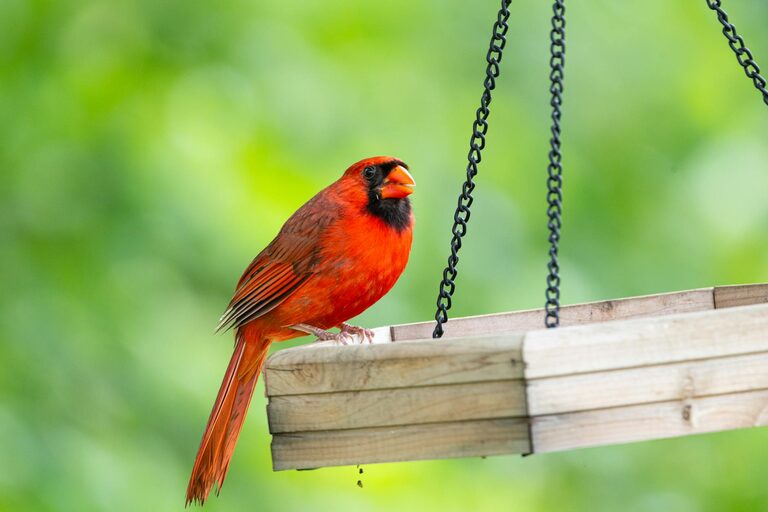
Birdwatching is a relaxing and rewarding hobby that anyone can enjoy, especially in the comfort of their own backyard. Whether you live in the city, suburbs, or countryside, your outdoor space can become a haven for a variety of bird species. If you’re new to birdwatching, this guide will help you get started, offering practical tips to attract, observe, and appreciate birds around your home.
Why Birdwatching?
Birdwatching connects you with the natural world and encourages mindfulness. It’s a quiet activity that suits all ages and requires minimal equipment. Plus, learning about birds can deepen your appreciation for the environment and inspire conservation efforts.
Getting Started: Essentials for Backyard Birdwatching
Before diving in, it’s helpful to have a few basic items on hand:
– Field guide or bird identification app: Helps you identify bird species based on their appearance and calls.
– Binoculars: These make it easier to see details from a distance.
– Notebook or journal: To record your sightings and observations.
– Bird feeders and water: Attract birds to your backyard and provide them with food and hydration.
Choosing the Right Spot
Find a quiet and comfortable spot in your yard where you have a clear view of trees, shrubs, or other bird-friendly plants. If possible, position yourself near a window or create a small sitting area outside to enjoy your observations without disturbing the birds.
Attracting Birds to Your Backyard
Birds are drawn to food, water, shelter, and nesting spots. Here’s how you can make your backyard more inviting:
Provide Food Sources
– Seed feeders: Different birds prefer different seeds. Black oil sunflower seeds are popular with many species.
– Suet feeders: Attract woodpeckers and insect-eaters.
– Fruit and nectar: Some birds enjoy fruit slices or sugary nectar, especially in warmer months.
– Natural food: Plant native flowers, shrubs, and trees that produce berries, seeds, and nectar.
Offer Fresh Water
– Use a shallow birdbath or a small fountain. Change the water regularly to keep it clean.
– Place the water source near feeding areas but with some cover nearby for safety.
Create Shelter and Nesting Opportunities
– Plant bushes, shrubs, and trees to offer shelters and nesting places.
– Consider installing birdhouses designed for local species.
– Leave dead trees or branches safely in place, as they can provide homes for certain birds.
Observing Birds: Tips for Beginners
To enjoy birdwatching fully, consider these simple techniques:
Be Patient and Quiet
Birds are sensitive to noise and sudden movements. Approach your observation spot calmly and stay still. Watching birds for longer periods will increase your chances of seeing different behaviors.
Use Your Binoculars Properly
Practice adjusting your binoculars before heading outside. Learn to focus quickly and comfortably so you don’t miss any action.
Keep a Bird Journal
Recording the species, time, weather, and behaviors you notice helps improve your identification skills and enhances your appreciation. Over time, you’ll see patterns and seasonal changes in your backyard birds.
Identifying Birds
Bird identification can be exciting and easier than it seems when you focus on a few key features:
– Size and shape: Is the bird small like a sparrow or large like a hawk?
– Color patterns: Look for distinctive markings on the wings, chest, or head.
– Beak shape: This often hints at the bird’s diet.
– Behavior: Feeding habits, flight style, and calls are helpful clues.
– Habitat: Some birds prefer trees, others open spaces or near water.
Using a bird guidebook or app with photos and sounds can speed up the learning process.
Seasonal Considerations
Bird species can change with the seasons. In spring and fall, you may see migrating birds passing through. Winter species might look very different, and feeding needs can vary. Adjust your bird feeding and observation schedule accordingly.
Common Backyard Birds to Look For
Depending on your location, you might encounter:
– Sparrows
– Cardinals
– Blue Jays
– Chickadees
– Robins
– Finches
– Woodpeckers
Learning a few common species first makes identifying rarer birds easier over time.
Final Thoughts
Backyard birdwatching is a wonderful hobby that offers fresh air and a peaceful connection to nature. With simple preparations and patience, you’ll find yourself noticing the small details and the beauty of birds close to home. Remember, the more you observe, the more you learn — and the more rewarding this quiet pastime becomes.
Happy birdwatching!