
Beginner Tips for Backyard Birdwatching: A Simple Guide to Getting Started
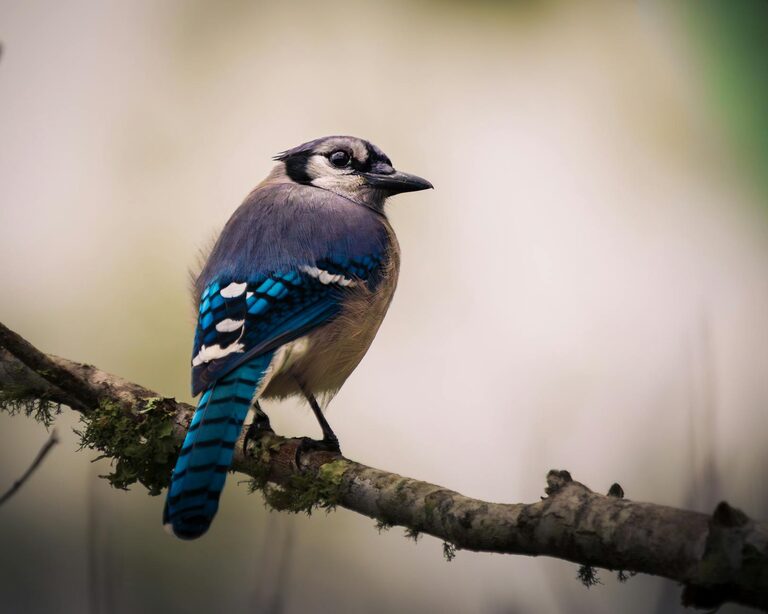
Birdwatching is a rewarding and enjoyable hobby that connects you with nature right in your own backyard. Whether you live in a busy city or a quiet rural area, watching birds can bring a sense of calm and wonder while helping you learn about local wildlife. If you’re new to birdwatching, this guide offers beginner-friendly tips to get you started on the right foot.
Why Birdwatch in Your Backyard?
Backyard birdwatching is convenient, affordable, and accessible. You don’t need a special permit, expensive gear, or to travel far. By creating a welcoming space for birds near your home, you can:
– Observe different species up close
– Learn about bird behavior and calls
– Help support local wildlife habitats
– Enjoy a relaxing outdoor activity
Essential Birdwatching Gear for Beginners
You don’t need a lot to start birdwatching. Here are a few basic items that make the experience better:
1. Binoculars
A good pair of binoculars helps you see birds clearly without disturbing them. Look for lightweight models with 8x or 10x magnification, which are ideal for beginners.
2. Field Guide or Bird ID App
A field guide book or smartphone app helps you identify birds by their colors, shapes, sizes, and calls. Many apps offer photos, sounds, and tips for identification.
3. Notebook or Journal
Keeping a birdwatching journal lets you record the species you see, dates, and interesting behaviors. This can enhance your learning and track your progress over time.
4. Comfortable Seating
Set up a chair or bench near your feeding station or favorite birdwatching spot. Being steady and comfortable makes watching birds more enjoyable.
Setting Up Your Backyard for Birdwatching
Creating an inviting space for birds will attract more species and give you a better chance to observe them.
Provide Food
Bird feeders are great for attracting a variety of birds. Some popular feeder types include:
– Tube feeders: For small birds like finches and chickadees
– Platform feeders: Open trays that attract larger birds such as cardinals and jays
– Suet feeders: Protein-rich suet cakes attract woodpeckers and nuthatches
Use birdseed mixes appropriate for your region. Black oil sunflower seeds are a favorite for many birds. Avoid spoiled or moldy seed.
Offer Water
Bird baths or shallow dishes of fresh water will draw birds, especially during dry weather. Clean water sources regularly to prevent illness.
Provide Shelter
Trees, shrubs, or brush piles offer birds shelter from predators and harsh weather. If you have space, planting native trees and bushes can create natural cover and food sources.
Create Perching Spots
Birds like to perch on fence rails, tree branches, or specially installed perches near feeders. These give them a safe place to rest and watch for predators.
Best Times and Tips for Watching Birds
Patience and timing improve your birdwatching experience.
– Early mornings and late afternoons are peak times when birds are most active.
– Move slowly and quietly to avoid startling birds.
– Sit still and observe for several minutes to notice different behaviors.
– Use your field guide or app to listen carefully to bird songs and calls for better identification.
Common Backyard Birds to Look For
While bird species vary widely by location, here are some common backyard birds you might spot:
– Northern Cardinal: Bright red with a distinctive crest (males)
– American Robin: Orange belly with gray back, often seen pulling worms
– Blue Jay: Bold blue coloring with loud calls
– Chickadee: Small, with black cap and bib, and friendly behavior
– House Finch: Brownish with red highlights (males)
Observing these birds regularly helps build your identification skills.
Ethical Birdwatching Practices
Respecting birds and their environment is important:
– Avoid disturbing nests or young birds.
– Keep feeders clean to prevent disease spread.
– Use non-toxic materials and avoid pesticides near your birdwatching area.
– Limit your interaction to observation without handling birds.
Joining a Birdwatching Community
Connecting with other birdwatchers adds fun and learning to the hobby. Consider joining local bird clubs, online forums, or participating in events like the annual Great Backyard Bird Count. Sharing sightings and tips can inspire you and help you discover new species.
Final Thoughts
Backyard birdwatching is an accessible way to enjoy nature’s beauty and learn about the world around you. With just a few simple steps—like setting up feeders, choosing the right gear, and practicing patience—you’ll soon find yourself spotting and identifying birds with confidence. So grab your binoculars and step outside to start your birdwatching journey today!