
Tips for Choosing Comfortable Home Lighting That Enhances Your Space
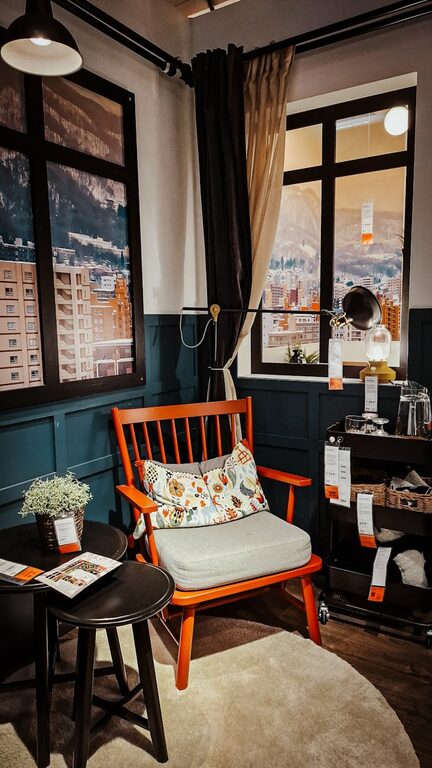
Creating a comfortable and inviting atmosphere at home often starts with the right lighting. Good lighting not only illuminates a room but also sets the mood, improves functionality, and enhances the overall look of your space. With so many types of lighting available, choosing the most comfortable option for your home can feel overwhelming. This guide will walk you through essential tips to help you select home lighting that is both comfortable and stylish.
Understanding Different Types of Home Lighting
Before diving into specific tips, it’s helpful to understand the three main types of lighting typically used in homes:
– Ambient Lighting: This is the general, overall illumination of a room. It ensures you can see clearly and safely move around the space. Examples include ceiling-mounted fixtures, chandeliers, and recessed lighting.
– Task Lighting: Focused light that helps you complete specific tasks like reading, cooking, or working. Desk lamps, under-cabinet kitchen lights, and vanity mirrors are examples.
– Accent Lighting: Used to highlight architectural features, artwork, or decorative elements. Spotlights and wall sconces often serve this purpose.
Having a balance of these three types of lighting is key to creating a comfortable environment.
Tips for Choosing Comfortable Lighting at Home
1. Consider the Purpose of Each Room
Rooms have different lighting needs depending on how you use them. Think about how you spend time in each space:
– Living Room: Combine ambient lighting with softer accent lights for relaxation. Use floor or table lamps next to seating areas for reading.
– Kitchen: Bright, clear lighting with focus on work surfaces is important. Under-cabinet lighting enhances countertops where you prepare food.
– Bedroom: Soft, warm lighting creates a peaceful atmosphere. Consider lamps with adjustable brightness for reading without disturbing sleep.
– Bathroom: Use bright, shadow-free light around mirrors for grooming tasks.
By aligning your lighting choices with room functions, you improve both comfort and practicality.
2. Choose the Right Bulbs
The type of bulb you select significantly impacts the comfort of your lighting.
– Light Color Temperature: Measured in Kelvins (K), it affects the ambiance. Warm light (2700K to 3000K) tends to be cozy and inviting, ideal for living rooms and bedrooms. Cool light (4000K to 5000K) is more energizing and better for task areas like kitchens and offices.
– Brightness: Measured in lumens, brightness should be appropriate for the room size and purpose. Avoid overly bright lighting that creates glare or harsh shadows.
– Energy Efficiency: LED bulbs use less energy and last longer than incandescent or halogen bulbs, making them a smart choice for any home.
3. Use Dimmers for Adjustable Lighting
Installing dimmer switches allows you to control light intensity throughout the day and for different activities. This flexibility supports comfort by adapting lighting to your mood or task needs. Dimmers are especially useful in living rooms, dining areas, and bedrooms.
4. Mind the Placement of Lights
Where you position your lights affects comfort and functionality.
– Avoid placing lights directly overhead where they can create harsh shadows.
– Position task lights near work areas but ensure they do not cause glare.
– Use multiple light sources at different heights to reduce eye strain and create depth.
5. Consider Lighting Fixtures Style and Shade Material
The fixture’s design and shade material influence light diffusion and comfort.
– Fabric or frosted glass shades soften light and minimize glare.
– Reflective or metallic shades can increase brightness but may cause harsh reflections.
– Choose fixtures that complement your home’s decor while serving their lighting purpose.
6. Maximize Natural Light
Natural sunlight is one of the most comfortable and healthy lighting sources.
– Use sheer curtains or blinds to let in daylight while reducing glare.
– Arrange furniture to take advantage of natural light during the day.
– Consider skylights or larger windows if renovating for enhanced natural illumination.
7. Avoid Flickering and Harsh Shadows
Uncomfortable lighting often involves flickering bulbs or uneven illumination.
– Choose quality bulbs and compatible dimmers to prevent flicker.
– Combine ambient and task lighting to balance shadows and bright spots.
8. Pay Attention to Color Rendering Index (CRI)
CRI measures how accurately light reveals colors compared to natural sunlight.
– Choose bulbs with a CRI of 80 or higher to ensure your home’s colors appear true and vibrant.
– This is particularly important in areas like kitchens or bathrooms where color accuracy matters.
Final Thoughts
Selecting comfortable home lighting is a blend of understanding your space, choosing the right bulbs, and thoughtful placement. Remember to layer different types of lighting to achieve both functionality and ambiance. With these tips, you can create a home environment that feels welcoming, cozy, and perfectly lit for every occasion.
By investing a little time in planning your lighting, you’ll enjoy improved comfort, better mood, and enhanced aesthetics throughout your home. Happy lighting!