
How to Design an Effective Weekly Reset Routine for Balance
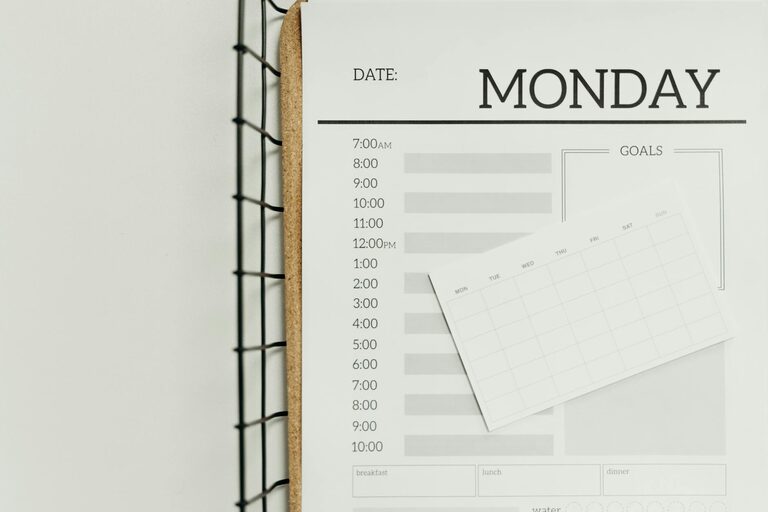
Creating a weekly reset routine is a powerful way to refresh your energy, organize your life, and prepare for the week ahead. By dedicating time each week to reset, you can reduce stress, improve focus, and foster a balanced lifestyle. Whether you are a student, a professional, or managing a household, a reset routine tailored to your needs can make a significant difference.
In this post, we’ll explore how to design a weekly reset routine that suits your lifestyle and helps you stay centered.
What is a Weekly Reset Routine?
A weekly reset routine is a set of intentional actions taken regularly—typically once a week—to reflect, organize, and rejuvenate. Think of it as a spiritual or practical “restart” button for your week. This routine can include tasks like planning your schedule, tidying your space, practicing self-care, and setting goals.
Why You Need a Weekly Reset Routine
Many people get caught up in day-to-day responsibilities, gradually feeling overwhelmed or burnt out. A weekly reset routine helps:
– Clear mental clutter by reflecting on what went well and what didn’t
– Organize tasks and priorities for the upcoming week
– Improve physical and emotional wellbeing with self-care
– Enhance productivity by starting each week with a clear plan
How to Design Your Weekly Reset Routine
Designing your reset routine is personal—there’s no one-size-fits-all. The key is to make it simple, enjoyable, and sustainable. Here’s how to get started:
1. Choose the Best Day and Time
Select a consistent day and time when you can commit to your reset routine without interruptions. Many prefer Sundays evening, but any day that fits your schedule works.
2. Define Your Goals
Decide what you want to achieve with your routine; common goals include:
– Decluttering your living or workspace
– Reviewing and planning your calendar
– Reflecting on achievements and challenges
– Preparing meals or planning menus
– Practicing relaxation or mindfulness
3. Break It Into Manageable Steps
Avoid overwhelming yourself by breaking down your routine into small, focused tasks. For example:
Organize
– Clear your desk or work area
– Sort and respond to emails
– Update your task list or planner
Reflect
– Journal about the past week
– Identify areas for improvement
– Celebrate successes
Plan
– Set priorities for the upcoming week
– Schedule appointments and deadlines
– Prepare a meal plan or grocery list
Recharge
– Take a relaxing bath or do light exercise
– Read a book or meditate
– Spend quality time with loved ones
4. Prepare Your Environment
Set up your space to encourage focus and calm. This may mean tidying up beforehand, having a notebook or planner ready, or playing soothing background music.
5. Keep It Flexible
Your reset routine should serve you, not limit you. Allow room for adjustments as your needs change. Some weeks may require more reflection, others more planning.
Sample Weekly Reset Routine
Here’s an example to illustrate how you might structure your routine:
| Time | Activity | Details |
|—————-|———————————-|——————————————|
| 5:00 – 5:15 pm | Tidy workspace | Clear clutter, wipe surfaces |
| 5:15 – 5:30 pm | Review calendar and tasks | Update planner, prioritize tasks |
| 5:30 – 5:45 pm | Reflect and journal | Write about wins, challenges, lessons |
| 5:45 – 6:00 pm | Plan meals and grocery list | Decide meals, list needed ingredients |
| 6:00 – 6:15 pm | Self-care | Stretch, meditate, or enjoy a relaxing activity |
Tips for Success
– Start Small: If weekly feels too much, start with biweekly or monthly resets.
– Use Tools: Utilize journals, planners, or apps to stay organized.
– Create Rituals: Link your routine with a ritual like lighting a candle or brewing tea to make it enjoyable.
– Limit Distractions: Turn off notifications and create a calm environment.
– Be Kind to Yourself: It’s okay if you miss a week. Just resume when you can.
Common Challenges and Solutions
Challenge: Finding time
Solution: Schedule your reset session like an important appointment. Even 15 minutes counts.
Challenge: Feeling overwhelmed
Solution: Simplify your routine and focus on one or two areas at a time.
Challenge: Losing motivation
Solution: Remind yourself of benefits and celebrate small wins.
Conclusion
Designing a weekly reset routine helps you take control of your time and wellbeing. By setting aside regular time to reflect, organize, and recharge, you create space to thrive both personally and professionally. Remember, the best routine is one that feels meaningful and realistic for you. Start small, stay consistent, and enjoy the benefits of a refreshed week ahead!
—
Ready to try your own weekly reset? Pick your day, write down your steps, and let the reset begin!