
How to Start a Basic Skincare Routine for Healthy, Glowing Skin
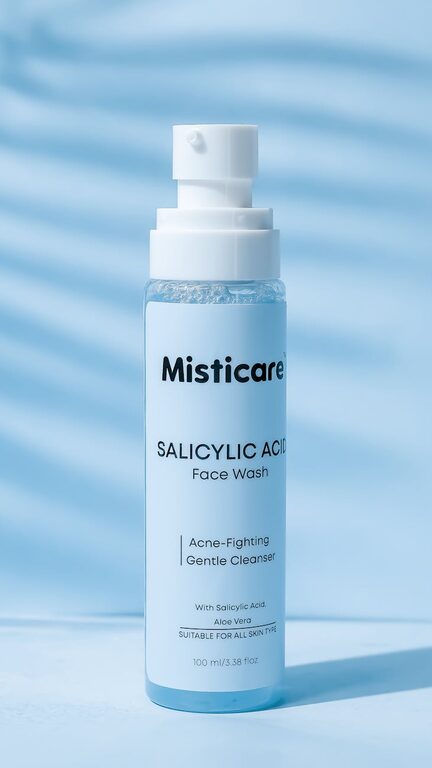
Starting a skincare routine can feel overwhelming with so many products and advice out there. However, a basic skincare routine doesn’t have to be complicated or expensive. With just a few essential steps, you can care for your skin effectively and enjoy a healthy, glowing complexion.
In this post, we’ll walk you through the basics of creating a skincare routine that works for you, regardless of your skin type.
Why Have a Skincare Routine?
A consistent skincare routine helps protect your skin from daily environmental damage, addresses any specific concerns you might have, and keeps your skin clean and hydrated. Over time, this can reduce issues like dryness, acne, or dullness, and promote a radiant look.
Step 1: Identify Your Skin Type
Knowing your skin type is the first step in building an effective routine. Skin generally falls into one of these categories:
– Normal: Balanced, not too oily or dry
– Dry: Flaky, rough, or tight skin
– Oily: Shiny appearance, enlarged pores, prone to acne
– Combination: Oily in the T-zone (forehead, nose, chin), normal or dry elsewhere
– Sensitive: Prone to redness, irritation, or allergic reactions
Understanding your skin type helps you choose suitable products and avoid irritation.
Step 2: Cleanse Twice Daily
Cleansing removes dirt, oil, and impurities from your skin. Ideally, cleanse your face:
– Morning: To freshen your skin and remove overnight sweat and oils
– Evening: To remove makeup, sunscreen, and pollutants
Choose a gentle cleanser suited to your skin type:
– Normal to oily skin: Gel or foaming cleansers
– Dry or sensitive skin: Cream or lotion cleansers
Avoid harsh soaps that strip your skin of natural oils.
Step 3: Apply a Toner (Optional)
Toning can help balance your skin’s pH and prepare it for moisturizing. While not essential for everyone, a gentle, alcohol-free toner may benefit oily or combination skin by controlling excess oil.
If using toner, apply it with a cotton pad after cleansing.
Step 4: Moisturize Daily
Moisturizing keeps your skin hydrated and forms a protective barrier against environmental damage. Select a moisturizer according to your skin type:
– Dry skin: Rich, creamy moisturizers with hydrating ingredients like hyaluronic acid or glycerin
– Oily skin: Lightweight, oil-free, or gel moisturizers
– Combination skin: Use lighter moisturizer on oily areas, richer ones on dry spots
– Sensitive skin: Fragrance-free, soothing formulas
Apply moisturizer twice a day, on clean skin.
Step 5: Protect with Sunscreen
Sun protection is crucial to prevent premature aging, dark spots, and skin damage. Use a broad-spectrum sunscreen with at least SPF 30 every morning, even on cloudy days or if you stay indoors. Reapply every two hours if you’re outside for prolonged periods.
Look for sunscreens labeled “non-comedogenic” if you’re prone to acne.
Optional Steps to Enhance Your Routine
Once you’re comfortable with the basics, you can consider adding these:
Exfoliation
Exfoliating removes dead skin cells and can promote smoother skin. Use gentle chemical exfoliants (like AHAs or BHAs) 1-2 times a week. Avoid physical scrubs that may irritate your skin.
Serums
Serums contain concentrated ingredients to target specific concerns like dullness, dark spots, or fine lines. Vitamin C serums are popular for brightening, while niacinamide helps balance oil production.
Eye Cream
If you have concerns about puffiness, dark circles, or fine lines around the eyes, an eye cream may provide additional hydration and protection.
Tips for Maintaining Your Routine
– Be consistent: Make your skincare routine a daily habit.
– Patch test new products: Apply a small amount on your inner arm to check for reactions.
– Avoid overdoing it: Using too many products or harsh treatments can irritate your skin.
– Stay hydrated and eat a balanced diet for overall skin health.
– Adjust your routine as seasons change or your skin’s needs evolve.
Conclusion
Starting a basic skincare routine is easier than you might think. By following these simple steps—cleansing, moisturizing, and protecting your skin—you’ll be on your way to healthier, glowing skin. Remember to personalize your routine according to your skin type and stay consistent for the best results.
If you want more in-depth advice, consider consulting a dermatologist or skincare professional.
—
With these tips, you can confidently build and maintain a skincare routine that keeps your skin looking and feeling its best every day.